
 Alfred Harper

I swapped my corded pressure washer for a cordless and was surprised by cleaner results, quieter operation and true portability—could this be the end of the cord?
Believe it or not, choosing a pressure washer can feel like picking a pet; I compare the cordless RYOBI RY120350 ONE+ and the corded Kärcher K 4 Power Control to help you accurately weigh performance, portability, maintenance and lifetime costs.
Highly Portable

I find this unit ideal when portability and convenience matter more than raw power. It handles light‑to‑medium tasks—patios, furniture, boats—very effectively, but it is not a substitute for a mains pressure washer on tough, large-scale cleaning jobs.
Deep Cleaning
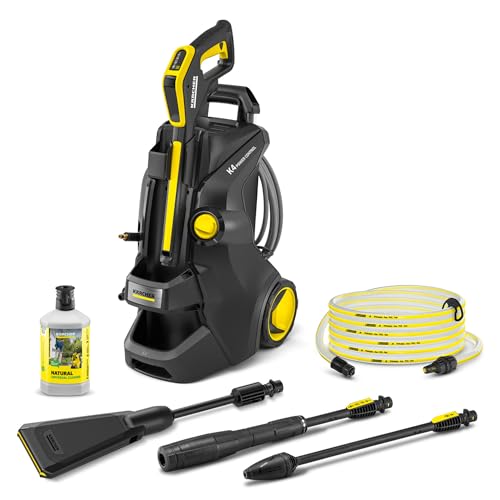
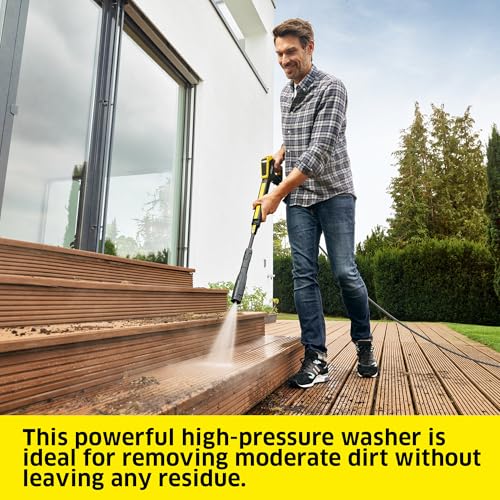
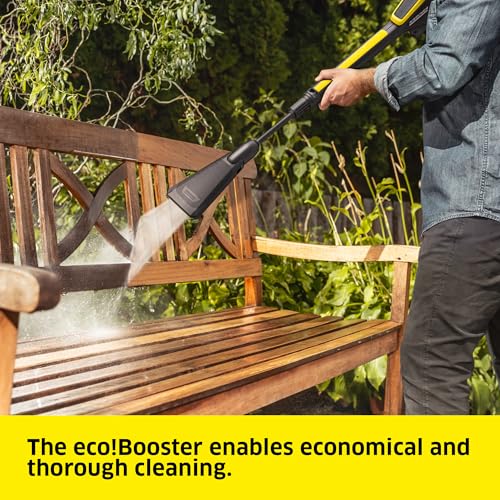
I consider this a very capable mains pressure washer that balances power and efficiency for typical domestic jobs. It excels on patios, drives and vehicles, and the Eco!Booster plus multiple lance options make it versatile, though it is bulkier and needs mains power.
RYOBI 18V Cleaner
Kärcher K4 Power
RYOBI 18V Cleaner
Kärcher K4 Power
RYOBI 18V Cleaner
Direct specifications comparison: power, flow and what they mean
Headline specs — quick snapshot
I lay out the headline numbers so you can immediately see the gap.
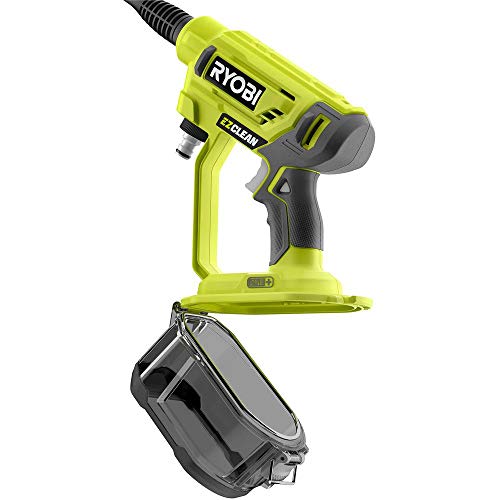
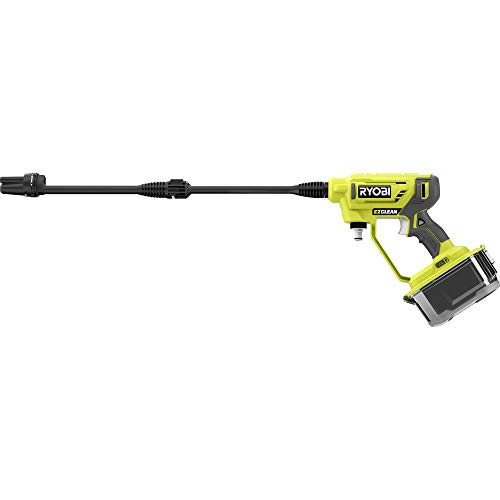
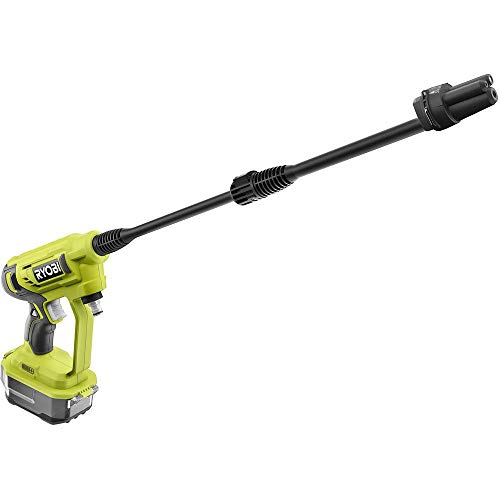
RYOBI RY120350 (cordless)The RYOBI is an 18V ONE+ cordless unit rated at 320 PSI (≈22.1 bar) with a flow of 0.8 GPM (≈182 litres/hour). That places it firmly in the light‑duty category for quick cleaning jobs and locations without mains power.
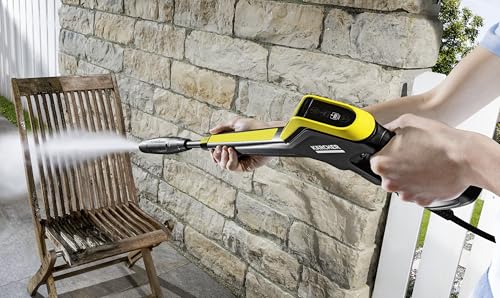
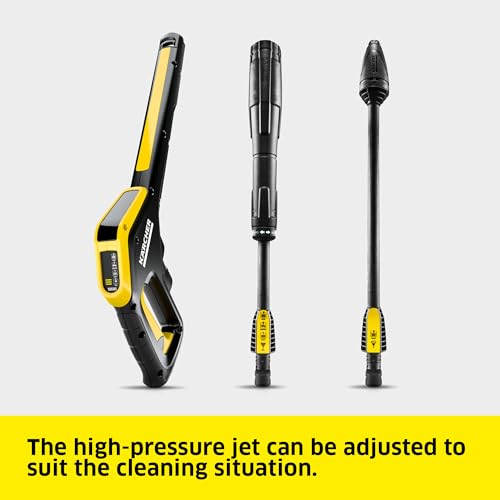
Kärcher K 4 Power Control (corded)The Kärcher K 4 is a mains‑powered machine with a maximum pressure of 130 bar (≈1,885 PSI) and a flow rate of 420 litres/hour. It also quotes an area coverage figure (30 m²/h) and includes performance‑optimising lances.
What PSI/bar and litres/hour mean in practice
Pressure (PSI/bar) controls how aggressively dirt is broken loose; higher pressure reduces the number of passes and handles stubborn grime and sealed surfaces. Flow (litres/hour) determines how quickly loosened debris is washed away; higher flow shortens overall clean time on large areas.
How these combine — practical expectations
Feature Comparison
Cleaning performance and task suitability: who cleans what best
High‑level capability
I assess real cleaning capability by combining pressure, flow and usable controls. The Kärcher’s far higher pressure (130 bar) and much greater flow (420 l/h) make it a true heavy‑duty domestic washer; the RYOBI’s 320 PSI (≈22 bar) and ~182 l/h flow position it as a light‑duty, cordless convenience tool.
Best tasks for the RYOBI ONE+
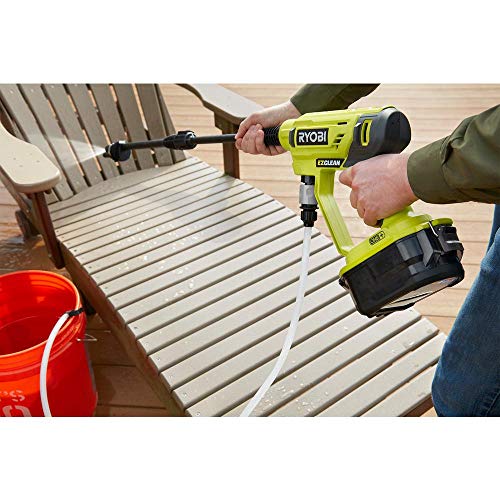
The RYOBI suits delicate or small jobs where mobility matters: garden furniture, car wheels, conservatory frames, small patios and campers. Its lower pressure reduces risk of surface damage and the 3‑in‑1 nozzle lets you switch spray patterns quickly. Battery operation and siphon capability let you work where there’s no mains supply.
Best tasks for the Kärcher K4
The Kärcher handles ingrained dirt, moss, oil stains and paint‑prep on driveways, slabs and brickwork. Higher pressure breaks stubborn deposits; higher flow rinses debris away in fewer passes. The Power Control gun lets you dial down for paintwork or decking, and the dirt blaster/lance tackles the worst spots without repeated passes.
Runtime, continuity and work rhythm
Nozzles, attachments and surface care
Portability, setup and daily convenience
Lightweight mobility (RYOBI)
I find the RYOBI genuinely easy to move — it’s only about 7.4 lb (≈3.4 kg) and compact, so I carry it into tight spots, up steps or into a trailer without strain. Battery power means no trailing extension leads and the built‑in siphon hose lets me draw from a water butt or bucket. Remember the model is tool‑only: factor in the ONE+ battery and charger cost and any spare batteries for longer jobs.
Mains‑powered stability (Kärcher)
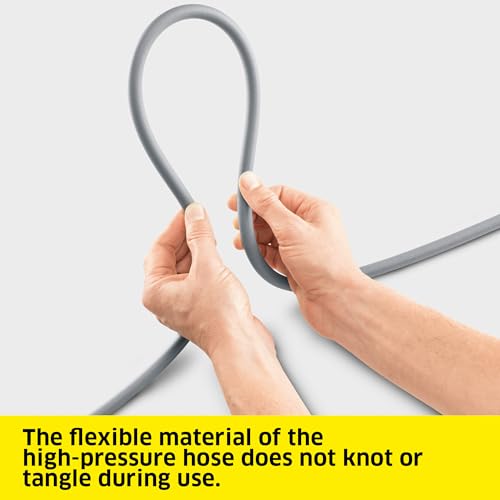
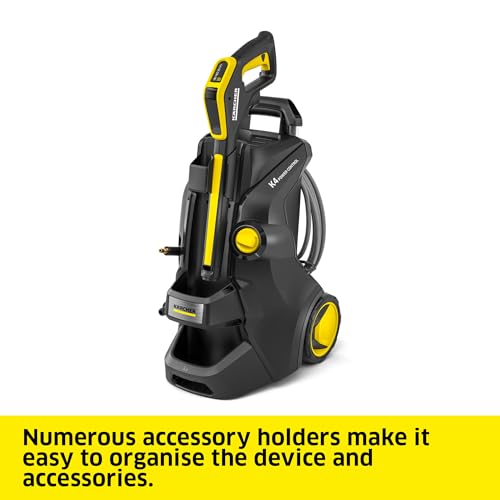
The Kärcher is heavier at roughly 15.5 kg and needs a mains socket, but that weight delivers stability and continuous power for long sessions. Its longer flexible high‑pressure hose (8 m) reduces repositioning and the Power Control gun plus eco!Booster simplify single‑handed operation and reduce kit juggling.
Hoses, cables and storage
Noise and cold‑weather behaviour
I notice the RYOBI is quieter in use because of the small motor and battery drive. The Kärcher is louder but consistent. In freezing temperatures I avoid the RYOBI if batteries are near empty (cells lose capacity); the Kärcher will run as long as water is kept from freezing and the machine is frost‑protected per manual.
Setup time and job turnaround
The RYOBI wins for instant pop‑up jobs — no plug leads, no trailing hose fuss. For larger areas the Kärcher saves time overall: longer hose, steady power and adjustable gun reduce repeated passes. In short, RYOBI is fastest to deploy; Kärcher is fastest to finish big, continuous jobs.
Running costs, maintenance, accessories and buyer recommendations
Total cost of ownership
I examine purchase price plus consumables and replacement parts. The RYOBI retails as a tool‑only unit (~£190): if you already own ONE+ batteries the initial outlay is low. If not, expect to add a ONE+ battery (£50–£120 depending on capacity) and a charger (£20–£50). Battery replacement every few years materially raises lifetime cost. The Kärcher costs more up front (~£280) but has fewer battery‑related extras and uninterrupted run time; electricity cost for mains use is small per hour, though its higher flow (≈420 L/h) uses more water per hour than the RYOBI (≈182 L/h).
Maintenance and winterising
Both need routine care to stay reliable. I perform:
Included and optional accessories
Warranty, service and long‑term value
I recommend registering both units with the manufacturer. Typical warranties are 1–2 years; authorised service centres exist for Kärcher and Ryobi UK. Consider local service availability when buying.
Buyer recommendations
Final verdict
I recommend the RYOBI if portability, cordless convenience and light maintenance tasks are your priority and you already use ONE+ batteries. It suits quick washes of cars, patios and garden furniture.
I favour the Kärcher K 4 as the clear winner for superior cleaning performance, continuous operation and versatility on larger or tougher jobs — it’s the better choice for routine heavy cleaning and professional-minded homeowners. Ready to upgrade to professional results? Choose the Kärcher for heavy jobs today.


I rented a Karcher K4 for a weekend and it blew my mind. Cleared years of grime from the patio. If you only want to do a lot of heavy cleaning occasionally, renting one could be cheaper than buying a corded unit.
Ryobi seems like the go-to for frequent small jobs though.
Great suggestion — renting is a cost-effective way to get high-power cleaning for a one-off job without the storage/maintenance hassle.
+1 for renting. I did the same for a weekend and saved a ton. Also you can test if you even like it before buying.
Couple environmental/maintenance notes from my experience:
– Kärcher’s eco!Booster sounds green and it does use less water per square meter when used with detergent, but detergents matter — pick biodegradable ones.
– Cordless batteries can be recycled but check local programs. Keep them out of extreme heat when storing.
Also, maintenance: clean filters and run clean water through pumps occasionally. I’d rather avoid clogged nozzles mid-clean.
Regarding nozzles — a small bottle brush and occasional vinegar soak works wonders for limescale if you have hard water.
Excellent points. We recommend biodegradable detergents and regular pump maintenance in the care section. Battery recycling is often offered at retail stores for ONE+ packs.
Thanks for the tip, Derek — we’ll add a quick maintenance checklist to the article to highlight these steps.
Yeah, vinegar soak is my go-to. And if you live in a cold area, make sure to fully drain the unit before winter — saved me once when I almost cracked a pump.
Kärcher wins for serious cleaning. 130 bar and 420 l/h? That’s proper power and flow. Ryobi looks cute and handy but feels like a toy next to a K4.
If you need to blast mold off a driveway or prep siding before painting, go corded. Battery tech is improving but not there yet for sustained heavy-duty use.
That’s the takeaway we tried to convey — Karcher gives more continuous power and higher flow, which matters for big surfaces. Cordless means mobility but trade-offs in raw punch and runtime.
Totally. Got a K4 last year and it’s like night-and-day compared to my old battery washer. If you have lots of surface area it’s worth the cord.
I went cordless because lugging a cord and long hose out is a hassle with my tiny driveway and no outdoor outlet. Ryobi’s light weight is a lifesaver.
Only complaint: I wish the spray wand had better adjustment — sometimes it feels too weak for stubborn grime. Still, convenience > power for me.
If you’re near a Karcher seller, test the Power Control gun settings — the K4 lets you dial pressure which is handy for delicate vs heavy jobs.
Makes sense — cordless is a lifestyle choice for convenience. For stubborn grime try a rotating dirt blaster tip or a dedicated cleaner attachment; they help compensate for lower PSI.
Also consider pre-soaking with detergent (if your unit supports it) to loosen grime before rinsing — saves time and strain on the battery.
Great breakdown! I own a Ryobi ONE+ drill and honestly was tempted by the cordless washer for the same reason — no tripping over cords and quick touch-ups.
A few things from my experience/thoughts:
– 320 PSI sounds low compared to the Kärcher’s 130 bar, but for patios and cars it’s probably enough.
– Battery life is the big unknown for me — how many full car washes can you get?
Would love to hear real-world runtimes and whether anyone swapped to a higher-capacity battery. ????
Agree — cordless is awesome for quick jobs. For heavy grime the Karcher is a beast though. I switch depending on the job.
Thanks Emily — good point on battery life. In our tests the Ryobi got about 20–25 minutes of continuous spray on a high-capacity 4Ah battery (enough for a quick car or a small patio). Heavier jobs need recharging or a spare battery.
I had the Ryobi for a season — 2 cars + light patio clean = one full 4Ah battery. If you do deep cleaning, bring a spare. Also remember cordless is slower but way more convenient.
Quick question — does the Ryobi support the ONE+ battery line, meaning if I already have other ONE+ tools the battery will fit? Also, any idea about winter storage for the Kärcher? I heard some corded units have antifreeze or need draining.
Noticed the article mentions eco!Booster — that’s supposed to be more water-efficient, right? I’m trying to reduce water use.
Confirmed on the ONE+ batteries. I use the same 5Ah on my Ryobi leaf blower and the washer — saves space and money.
Yep, the Ryobi RY120350 is part of the ONE+ ecosystem — same batteries fit. For the Karcher, you should drain the pump and store it dry if temperatures drop below freezing; some models have frost protection but it’s safer to winterize. eco!Booster concentrates detergent then uses less water for equivalent cleaning — good for water savings on lighter dirt.
Also: for freezing climates, an indoor storage spot or a heated garage is ideal for both units to avoid damage.
eco!Booster helped me cut down rinsing time. Not magic for heavy oil stains, but for general grime it’s legit.
I love that cordless things make me feel like a backyard MacGyver, but c’mon — 0.8 GPM? That’s basically a high-powered garden hose. ????
That said, anyone else annoyed by the short hose/nozzle lengths on these portable units? I ended up buying extensions and a reel, total pain.
Yep, bought a 10m extension for the Ryobi and noticed slight drop in performance, but it’s worth the reach. Also, get good quick-connect fittings or you’ll be swapping kinks forever.
Ha — fair. Cordless often sacrifices flow/pressure for portability. Hose length is a legit gripe — some manufacturers sell longer hoses but watch pressure drop. Reel helps with storage though.
A few technical notes for people reading: 320 PSI is about 22 bar, so it’s not apples-to-apples when brands list different units. Karcher’s 130 bar (theoretically) is massive, but real-world effective cleaning also depends on flow (l/h) and nozzle design.
420 l/h ~ 1.17 GPM, which combined with higher pressure makes the K4 much faster at cleaning large, heavily soiled areas. For small, quick tasks Ryobi wins on mobility and setup time.
Thanks for breaking down the units — I used to get confused seeing PSI vs bar listed. Super helpful!
Also remember to compare warranty/support. Karcher often has solid after-sales which matters if you actually use it hard.
One more tip: don’t obsess over peak pressure numbers; look for consistent output and the recommended use-cases. Cheap high-PSI pumps sometimes peter out under load.
Exactly — PSI/bar conversions matter and flow plays a big part. We tried to include both metrics so readers can compare power vs throughput.
Good point about consistent output. We include performance under load in our extended tests for that reason.