
 Alfred Harper

I tested both and will tell you which actually saved me hours and halved my water use — Ryobi’s convenience or Kärcher’s raw power, which would I pick?
I compare a 1800 PSI, 1.2 GPM electric pressure washer (the Ryobi‑style Amazon option) with the Kärcher K5 WCM, giving clear, practical advice to help you choose the best machine reliably for cars, patios, home use and light commercial jobs.
Compact Cleaner

I find this unit a compact, value-focused electric washer that handles light-to-moderate cleaning tasks well. Its lightweight design and straightforward controls make it easy to use and store, but it lacks the pressure and flow required for tougher, professional-level cleaning.
Performance Cleaner

I consider this model a clear step up in raw performance and accessory support, delivering stronger flow and pressure for more demanding cleaning jobs. It is heavier and costs more, but the eco!Booster and included Car & Home kit make it a better choice for users who need reliable, higher-capacity cleaning.
RYOBI 1800 Washer
Kärcher K5 Washer
RYOBI 1800 Washer
Kärcher K5 Washer
RYOBI 1800 Washer
Kärcher K5 Washer
Performance and cleaning power — numbers and real‑world results
Raw numbers and conversions
I start with direct conversions so you can compare apples with apples. The 1800 PSI unit delivers 1.2 GPM (US), which equals roughly 124 bar and about 4.5 litres per minute (≈273 L/h). The Kärcher K5 is rated at 145 bar (≈2,100 PSI) with 500 L/h — about 2.2 GPM. These are the core figures that determine what each machine will remove and how quickly.
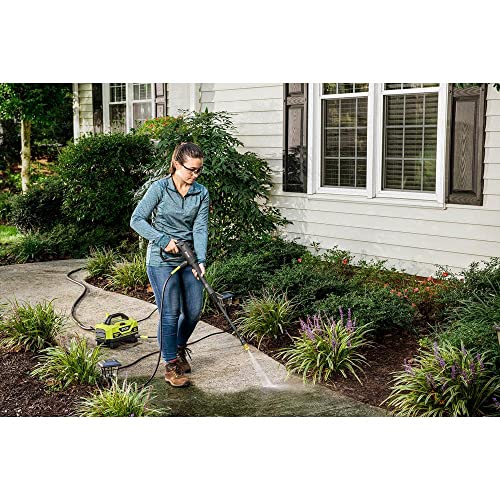
Ryobi (1800 PSI / 1.2 GPM)
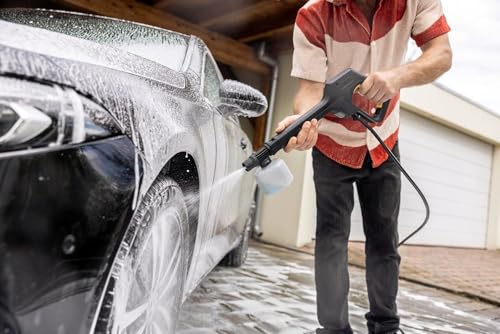
Based on the numbers, the Ryobi is an entry‑to‑mid level electric washer with modest pressure and modest flow. It will handle light to moderate dirt, routine car washes and gentle patio cleaning without excessive water use. I expect slower rinse times on heavy grime.

Kärcher K5 (145 bar / 500 L/h)
The K5 supplies significantly more pressure and nearly double the flow, giving much faster, more aggressive cleaning for stubborn dirt, moss and oil‑containing stains. It’s built for demanding domestic jobs and light commercial tasks where time and result matter.

Combined cleaning power and likely results
Cleaning power ≈ pressure × flow (PSI×GPM). I calculate:
Practical outcomes:
Features, build quality and included accessories
Overall build and ergonomics
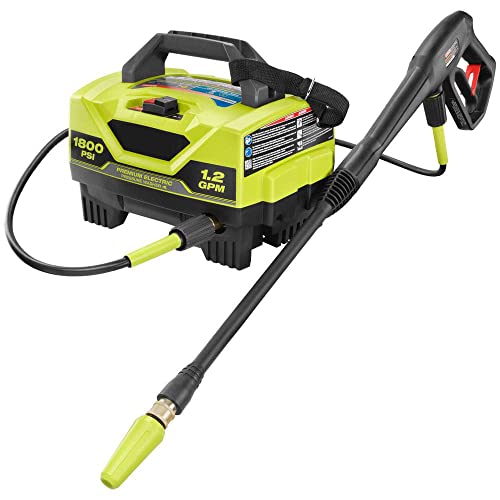
I inspected materials and design with durability and day‑to‑day use in mind. The Ryobi is compact and lightweight (≈7.6 kg), favouring portability and easy storage; its plastics and simple frame suit occasional domestic use but feel less heavy‑duty. The Kärcher K5 (12.5 kg) is noticeably heavier and built to a sturdier specification — a more robust housing that tolerates frequent use and tougher environments.
Hose, wand and nozzle options
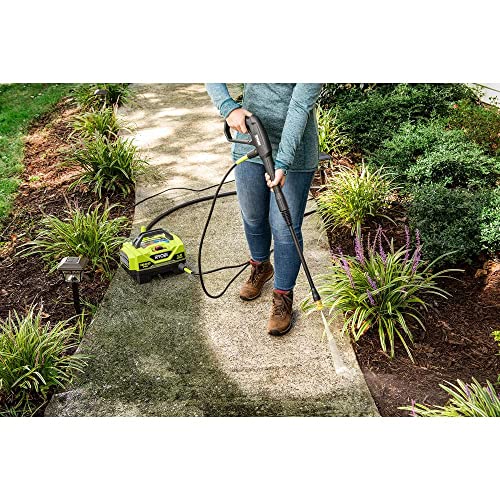
The Ryobi’s listed hose length is extremely short (20 inches), which materially limits reach without additional hose or a lance extension; the listing also implies a basic wand/nozzle arrangement only. The K5 includes a dedicated high‑pressure hose (longer, more practical for real jobs) and offers a wider set of lance/nozzle options in its ecosystem, giving finer control between narrow‑jet pressure and gentler fan patterns.
Detergent delivery and eco!Booster
Ryobi’s listing suggests a minimal detergent arrangement — suitable for simple detergent feed. Kärcher’s eco!Booster and the Car & Home kit add real functionality: eco!Booster raises cleaning efficiency so you spend less time and detergent on stubborn grime, while the bundled kit targets vehicle and household cleaning tasks more safely and effectively.
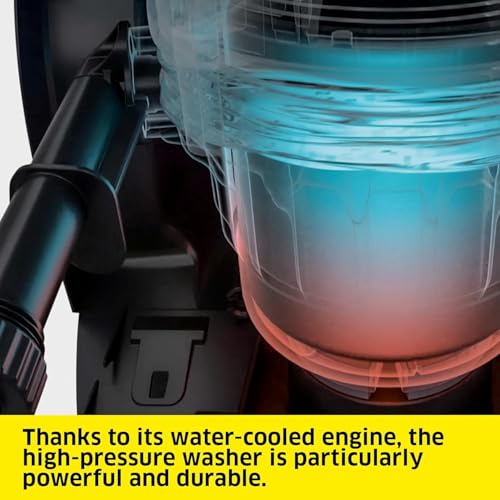

Onboard storage, portability and included accessories
Which bundle gives added value? The K5’s Car & Home kit plus eco!Booster provides tangible benefits for regular users — better cleaning range, detergent economy and dedicated tools — whereas Ryobi’s basic offering only suits occasional, light tasks.
Feature Comparison
User experience: setup, safety, noise and maintenance
Setup and first‑time assembly
I found the Ryobi straightforward to assemble: plug in the lance, attach the very short 20‑inch hose and you’re ready. Its compact size makes initial setup fast, but that short hose forces you to add extensions for practical reach.
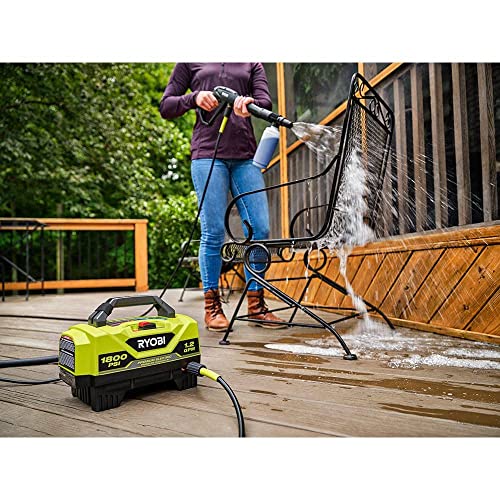
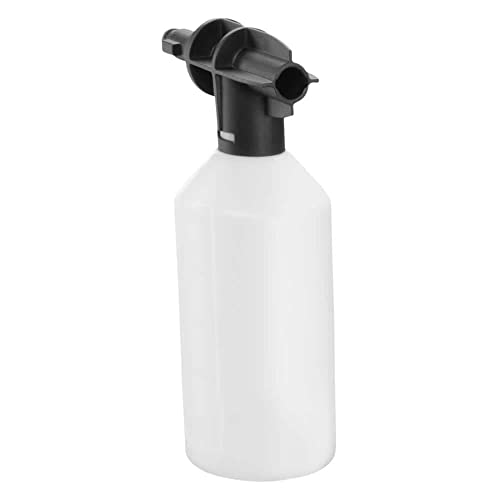
The Kärcher K5 takes a little longer to unpack but the supplied high‑pressure hose and Car & Home kit mean fewer aftermarket buys. The unit’s heavier frame and integrated storage keep parts tidy once assembled.

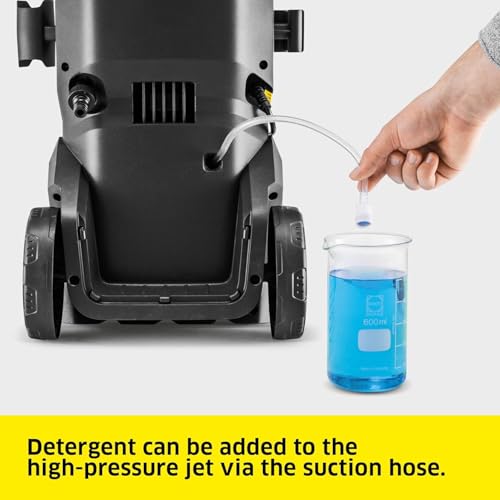
Safety features and daily operation
Ryobi relies on a basic trigger lock and simple on/off controls; the listing doesn’t advertise advanced motor protections. That simplicity suits occasional users but demands a more cautious approach to run times and overheating. Kärcher includes better‑advertised protections — auto‑stop behaviour at the gun and motor thermal cut‑out — and a firmer trigger lock, which I find reassuring for longer sessions. Changing nozzles is quickest on the K5 thanks to the flexible lance options; the Ryobi’s basic wand is simpler but less versatile.
Noise, manoeuvrability and hose handling
Both machines produce typical pressure‑washer noise. The Ryobi’s lighter build is easier to manoeuvre around the garden but transmits more vibration. The heavier K5 feels steadier and, in practice, sounds less high‑pitched during sustained use. The K5’s longer hose reduces repositioning; the Ryobi’s short hose causes frequent moves and extension‑hose kinking.
Maintenance, winterising and common frustrations
Owners commonly complain about the Ryobi’s short hose and limited duty cycle, and the K5’s heavier weight and higher initial cost. My practical tip: fit a quality extension hose to the Ryobi and follow regular filter checks to prolong motor life.
Cost, running expenses and suitability by use case
Purchase price, warranty and spare parts
On Amazon the Ryobi listing I checked is about £305; the Kärcher K5 is roughly £355. Both brands typically ship with a 2‑year manufacturer warranty in the UK, though Kärcher often has a wider authorised service network and easier access to genuine spare parts and replacement accessories — that matters if you want long‑term serviceability.
Estimated running costs (assumptions stated)
Assumptions: electricity at £0.34/kWh and water at £2.00/m³.
Costs per hour (approximate):
These are indicative — actual power draw and local tariffs will change the figures — but they show the K5 uses roughly 60–70% more running cost per hour due to higher flow and motor size.
Value by typical buyer
Resale and long‑term ownership
Kärcher tends to retain resale value better and is easier to maintain long term. Ryobi is cheaper to replace and simpler for casual owners; expect more frequent wear under heavy use.
Final verdict — my recommendation
I favour the Kärcher K5 as the clear winner for heavier home use. Its higher pressure, better flow and the comprehensive Car & Home kit plus eco!Booster make it the sensible choice when you need more power, faster cleaning and durable accessories. It handles driveways, patios and larger vehicles with less time and effort.
For lighter, budget‑minded tasks I recommend the 1800 PSI 1.2 GPM — compact, economical and adequate for cars, decks and small jobs. If portability and price matter, buy the 1800 PSI; if performance and kit matter more, choose the K5. Ready to decide?

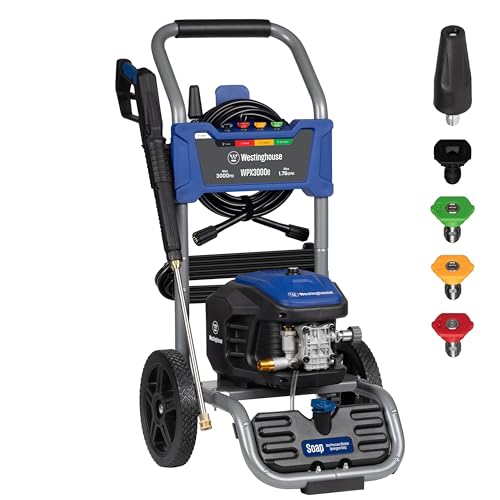


Ryobi for the win if you’re single-handedly maintaining a small yard. ????
Light, nimble, and does 80% of tasks well.
Karcher is for people who want that extra oomph and don’t mind the carry. Also, eco!Booster sounds fancy but it really helped with washing my car without using a ton of water. No ragrets ????
No ragrets indeed — I made that typo too until autocorrect fixed it for me ???? But yeah, Karcher saves water for sure.
Nice to hear firsthand experience with the eco!Booster, Javier. Many readers asked about water savings — your input helps.
Anyone know the high-pressure hose length on the K5? And is it easy to find replacement hoses? Asking because I might need a longer reach for my garage.
The K5 often ships with a hose around 6-8 meters depending on the package. Replacement/longer hoses are available from Karcher and third-party vendors, but check compatibility (thread sizes, pressure rating).
Thanks! Didn’t know about the pressure rating — will check before buying.
I got a 10m replacement hose from the manufacturer store — works fine. Make sure the replacement matches the pressure spec (145 bar here).
Quick question: how noisy is the K5 vs the Ryobi? Also, does the Karcher Car & Home Kit include a foam lance or is that sold separately?
Karcher units tend to be a bit louder due to higher pressure pumps, but it’s not dramatic. The Car & Home Kit often includes a foam nozzle and car brush, though exact contents can vary by retailer — always check the product listing.
I have a K5 and it came with a foam lance in the kit I bought. Noise wasn’t an issue for me, just wear earplugs if you’re sensitive.
Ryobi is quieter imo. But neither is quiet enough for a baby nap, lol.
So basically: Ryobi = “I have a light mess and a budget” and Karcher = “I will obliterate stains and maybe my neighbor’s sins too”. ????
Seriously tho, both look decent. I just want something that doesn’t fall apart after one season.
Haha, fair summary. Durability varies by model and how you maintain them — winter storage and flushing hoses can extend life significantly.
Maintenance is key. Treat it well and both will last. Neglect it and you’ll be buying a new unit in two seasons.
Karcher looks slick, but man — the price and extra weight put me off. I don’t wanna wrestle a 12.5 kg machine up and down the stairs every weekend.
Good point, Mark. Portability is a real factor. The K5’s 12.5 kg plus hose/attachments can feel heavy; consider storage and how often you’ll move it.
If stairs are a problem, look for models with wheels and a decent handle. Some people even leave theirs in the garage to avoid lugging it.
I’ve used both of these for different jobs and here’s my take:
– Ryobi (1800 PSI) is great for quick patio furniture, decks, and the odd fence. Super easy to move around.
– The Karcher K5 feels like the beefier machine: more pressure, better flow, and that eco!Booster seems to actually save water when doing a car.
If you need something for occasional light jobs, Ryobi saves you money and hassle. If you want a more all-around, heavy-duty option (especially for cars + driveway), Karcher wins. YMMV!
Nice summary — one thing I’d add: nozzle selection matters a lot. Even the Ryobi gets surprising results with the right tip.
Totally agree with Laura. My neighbor got the K5 and it cuts through grime way faster. Worth every extra pound imo.
Thanks for the breakdown, Laura — helpful! For readers: the Karcher’s higher pressure and flow rate usually mean faster cleaning on bigger surfaces, but it does add weight and cost.
A couple of practical notes from someone who does weekend DIY:
1) Check hose length — you might need an extender.
2) Look into replacement nozzle/part availability before buying — some brands are easier to service.
3) Foam lances are clutch for car cleaning.
Ryobi has cheaper parts, Karcher parts can be pricier but are often higher quality.
Excellent, Emily. Part availability and hose length are often overlooked during shopping — thanks for pointing that out.
Seconding the foam lance comment. Makes car washing actually enjoyable.
I compared the PSI and flow numbers carefully before buying. The Ryobi’s 1800 PSI at 1.2 GPM is fine for paint prep and patio grime, but when I had to get oil stains off the driveway, the Karcher (145 bar, ~500 l/h) finished the job way faster.
Also:
– K5’s coverage spec (40 m²/h) is useful if you’re planning to tackle large areas.
– Weight matters for storage and carrying, so factor that in.
If you plan to do cars + driveway + occasional siding, lean Karcher. If it’s mostly light cleaning, Ryobi is cost-efficient.
Thanks Priya — that comparison of PSI and flow vs real-world tasks is exactly the kind of guidance readers need.
Agree on coverage. I underestimated time for my patio until I checked the m²/h rating — good tip!
Anyone know if the K5 needs a special outlet or is it standard electric? I’m not great with the power specs.
Erica: it’s standard household electric for the K5 WCM models, no special wiring required in my case.